
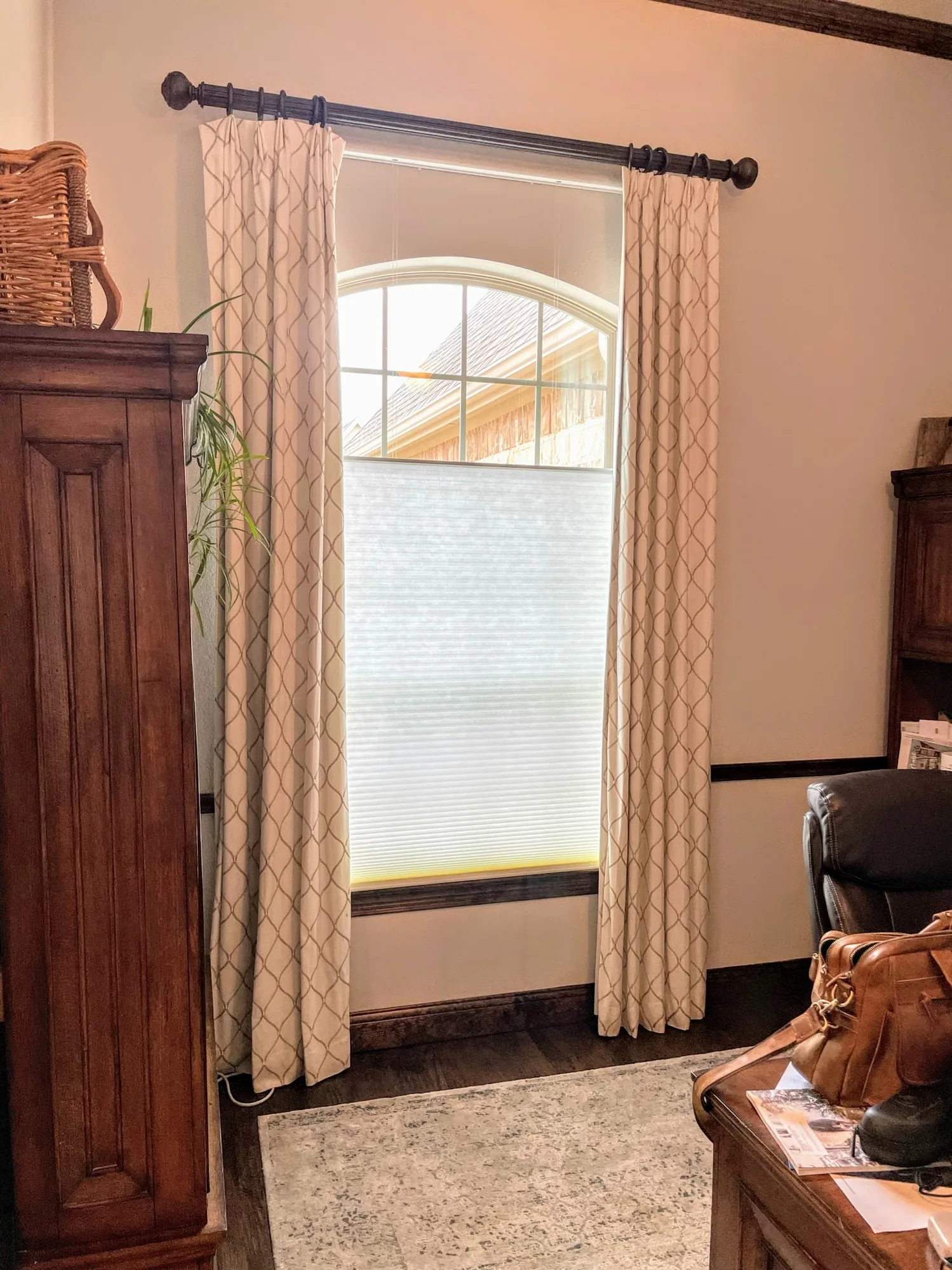
Cellular shades come up a lot when Tucson homeowners ask about cutting down on heat at the window. People want to know if they actually work, or if it is just a sales pitch. The honest answer is that they do help, in a real and measurable way, but they are not a magic fix for your whole energy bill. Let's talk about what they actually do and what to expect.
What Makes a Cellular Shade Different
A cellular shade, also called a honeycomb shade, is built from folded fabric that forms small tube-shaped pockets when you look at it from the side. Those pockets hold a layer of still air between the room and the glass. Still air is a natural insulator. It does not move heat around nearly as fast as open air does, which is exactly why the shape matters more than the fabric color or pattern.
A flat roller shade or a set of blinds can block light and add some privacy, but they do not trap that same buffer of air right at the window. The honeycomb shape is really the whole point of the product.
How This Helps With Tucson's Triple-Digit Heat
For a long stretch of the year, Tucson regularly sees afternoon temperatures of 100 to 110 degrees. Your windows are one of the main places where that outside heat finds its way into a cooled home. Glass does not insulate well on its own, so any layer you can add at the window helps your air conditioner keep up.
Cellular shades meaningfully cut the amount of heat that transfers through the glass into the room. That trapped air layer slows down the transfer in both directions, so the cool air your AC just made stays in the room a little longer, and the hot air pressing against the glass outside has a harder time getting through. It will not turn a west-facing room into a cold room on a 108 degree day, but it does take some of the edge off, especially when paired with keeping the shades closed during the peak afternoon hours.
How This Helps on Cold Desert Nights Too
People often forget that Tucson also has genuinely cold desert nights. The days can be mild and sunny, but once the sun goes down, temperatures drop fast. That same insulating air pocket that keeps heat out during the day also works in reverse on cold nights. It slows the heat inside your home from leaking out through the glass overnight, which means your heater does not have to work as hard to keep the house comfortable until morning.
This is one of the nice things about cellular shades. They are not a hot-weather-only product or a cold-weather-only product. The insulating effect works both directions, all year.
Single Cell vs. Double Cell: Does It Matter?
Cellular shades come in single cell and double cell versions. A single cell shade has one row of pockets. A double cell shade has two rows stacked front to back, which means two layers of trapped air instead of one.
- Single cell shades are thinner, lighter, and a bit more budget-friendly. They still provide a real insulating benefit over a bare window or a flat shade.
- Double cell shades add a second air pocket, which increases the insulating power further. They are a good fit for a room where comfort is the main goal, like a west-facing bedroom or a room with older, less efficient windows.
- Both styles come in light-filtering or blackout fabric, so you can also choose based on how much light you want in the room, not just the insulating value.
If a specific room in your home always seems to run hot or cold compared to the rest of the house, a double cell shade is worth the small upgrade in cost.
What Cellular Shades Will Not Do
It is important to be honest here. Cellular shades are one part of a bigger picture, not a standalone fix for a high energy bill. A few things to keep in mind:
- They work best when paired with a well-functioning air conditioner and a properly sized system for your home.
- Older or poorly sealed windows will still leak some air around the frame, which a shade cannot fix on its own.
- The insulating benefit is strongest when the shades are actually closed during the hottest and coldest parts of the day. Left open, they cannot do their job.
- Bigger structural issues, like poor attic insulation or an aging AC unit, will still show up on your bill no matter what is on the window.
Think of cellular shades as one smart piece of a comfortable, efficient home, working alongside your cooling and heating system rather than replacing it.
Which Rooms Benefit the Most
Not every window in your home needs the same level of insulation. Some rooms will notice the difference far more than others, and it helps to think about which spaces actually run hot or cold before deciding where to spend.
- West-facing rooms that take the brunt of the afternoon sun, since these windows often feel warm to the touch by early evening.
- Bedrooms, where a more stable temperature and reduced glare can make a real difference for comfortable sleep.
- Home offices or rooms with a computer screen, where cutting glare matters just as much as cutting heat.
- Any room with older, single-pane, or poorly sealed windows, since these tend to transfer the most heat in both directions.
A living room with large sliding doors facing west, for example, is usually a better candidate for a double cell shade than a small bathroom window that gets only a little morning light. Prioritizing the rooms that actually need help is a smarter way to spend your budget than treating every window the same.
Getting the Right Fit for Your Home
Every room is a little different. A cellular shade that makes sense for a small guest bedroom window might not be the right call for a wide slider in your living room. Matt Diaz personally measures every window and talks through which rooms in your home run hottest or coldest, so the recommendation actually matches how your house behaves, not a one-size-fits-all answer.
If you have been curious whether cellular shades are worth it for your Tucson home, the best next step is simple. Book a free in-home consultation and get an honest answer for your specific windows, no pressure attached.