
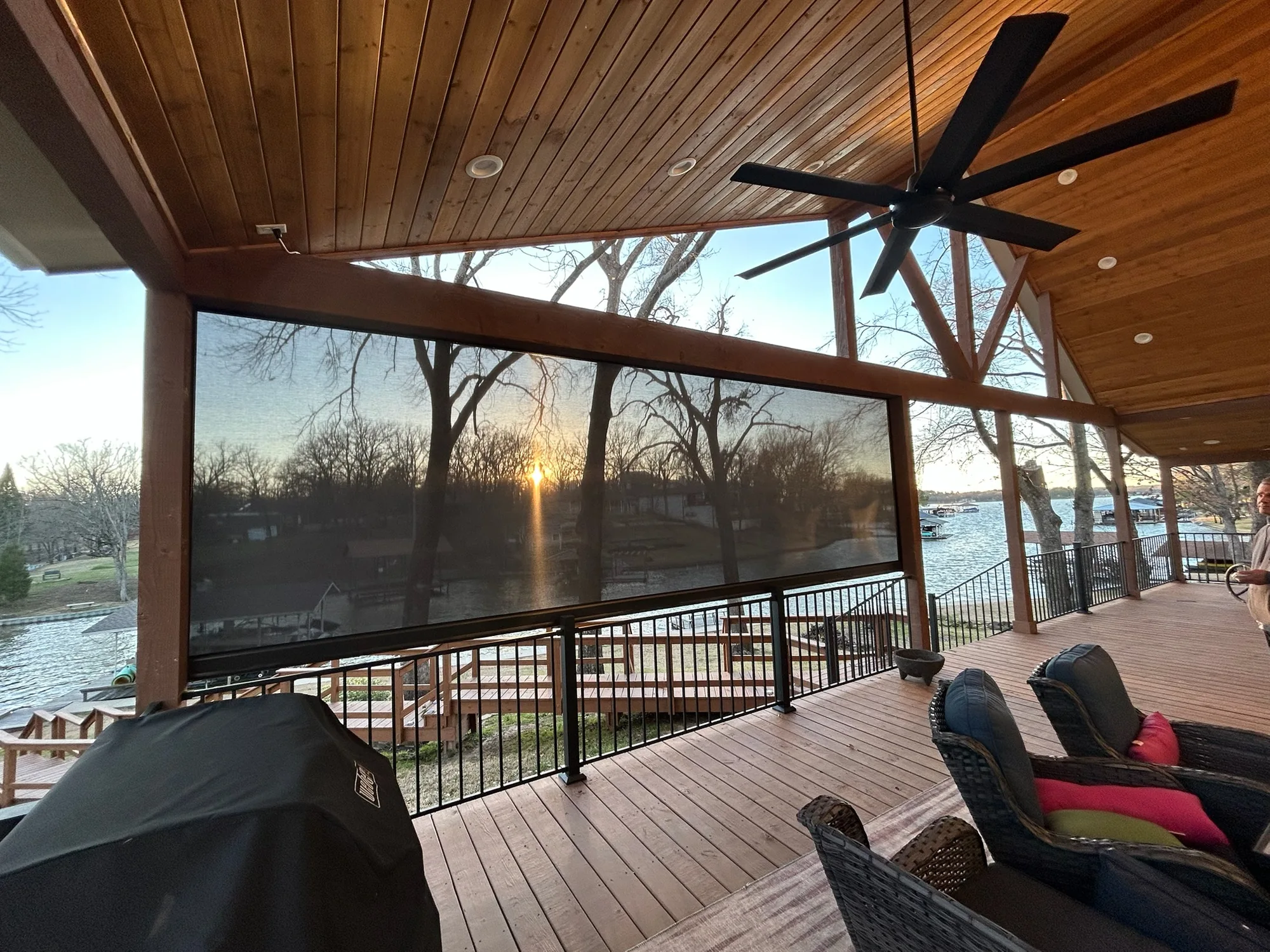
If you have a room in your Tucson home that faces west, you already know the feeling. Around three or four in the afternoon, the light changes. The room gets brighter, then hotter, then almost unbearable by dinner time. This happens day after day for a long stretch of the year, and it is not your imagination. West-facing windows catch the harshest, lowest angle sun of the whole day, and they need a different plan than the rest of your house.
Why West-Facing Windows Are a Special Problem
Morning sun is gentle. It comes in low and soft, and most homes barely notice it. Afternoon sun is a different story. Between about 3pm and 7pm, the sun sits low in the western sky and beams almost straight through west-facing glass at eye level. There is no roof overhang or awning angle that blocks it well, because the sun is not coming from above. It is coming from the side, right at the glass.
That long, low afternoon sun also carries a lot of heat. By the time it hits your window, your air conditioner has already been running most of the day. West-facing rooms are usually the warmest rooms in the house by early evening, and they are also the ones with the most glare on your TV screen or the worst squint if you are trying to relax on the couch.
Which Rooms in a Tucson Home Usually Face West
Because of how most subdivisions in Tucson, Oro Valley, and Marana are laid out, west-facing rooms tend to be some of the most lived-in spaces in the house. That makes the problem worse, not better.
- Living rooms and family rooms, often with larger sliding glass doors or picture windows facing the backyard.
- Primary bedrooms, which can make it hard to get comfortable in the early evening or fall asleep with a hot wall and bright glare still lingering.
- Kitchens and breakfast nooks, especially in homes where the kitchen sits on the west side for a view of the sunset.
- Home offices, where afternoon glare can make it nearly impossible to see a laptop screen.
If you spend real time in a west-facing room every afternoon, the window treatment you choose there matters more than almost any other window in the house.
Option One: Exterior Solar Screens
Exterior solar screens mount on the outside of the window, usually on a track or frame that attaches to the exterior wall or eave. Because they stop the sun before it ever reaches the glass, they are the strongest option for a room that takes a beating every afternoon.
On west and south facing rooms, exterior solar screens cut roughly 30 to 40 percent of the cooling load compared to a bare window. That is a meaningful dent in how hard your air conditioner has to work in that one room, and it also keeps the glass itself much cooler to the touch. For a west-facing living room with a big slider, this is usually the single biggest comfort upgrade you can make.
The tradeoff is that exterior screens are a dedicated, semi-permanent product. They are not something you casually raise and lower a few times a day like an interior shade. They are built for a specific job: keep heat from entering that window in the first place.
Option Two: Interior Cellular Shades
Cellular shades, sometimes called honeycomb shades, use a row of small air pockets built into the fabric. That trapped air acts like a buffer between the hot glass and the room. Cellular shades will not stop heat from reaching the glass the way exterior screens do, but they do slow down how much of that heat makes it into the room, and they are excellent at cutting glare.
For a west-facing bedroom, cellular shades are often the more practical daily choice. You can raise and lower them easily, they come in blackout options for better sleep, and they still meaningfully reduce the heat you feel radiating off the window in the evening. They just will not carry the same cooling load reduction as an exterior screen mounted outside the glass.
Option Three: Plantation Shutters
Shutters are a solid, adjustable option for a west-facing window, especially in a room where you want a finished, permanent look. The louvers let you angle light exactly how you want it, which helps with the harsh side-angle glare that west windows are famous for. Shutters also add a layer of insulation at the window itself.
Where shutters fall a little short compared to exterior screens is raw heat blocking on the hottest triple-digit afternoons. They are a great all-around choice, but if your west-facing room is the hottest spot in the house every single day, shutters alone may not fully solve that problem.
So Which One Should You Choose?
There is no single right answer for every home, because it depends on the room and how you use it.
- If your west-facing living room turns into a furnace every afternoon and you rarely need to adjust the window, exterior solar screens will make the biggest difference.
- If it is a primary bedroom where you want flexibility, softness, and better sleep, interior cellular shades are usually the better daily fit.
- If you want a classic, permanent look with adjustable light control, plantation shutters are a strong middle ground.
- Many Tucson homeowners actually combine an exterior screen with an interior shade or shutter on the same window for the best of both worlds.
Matt Diaz measures and installs every job personally, so he can walk your west-facing rooms with you, feel where the heat is worst, and recommend the combination that actually fits how you live in that space, not just a generic answer.
A Simple Way to Think About It
West-facing windows are dealing with a specific kind of sun. It is not overhead, it is not gentle, and it lasts for hours every single afternoon in the Tucson desert. The best treatment for that window is the one that matches how that specific room gets used, whether that means stopping the heat outside the glass, softening it just inside the glass, or blending both approaches.
If your west-facing rooms are hard to enjoy after lunch, let's fix that together. Book a free in-home consultation and Matt Diaz will bring samples, measure your actual windows, and give you an honest recommendation for your home.